
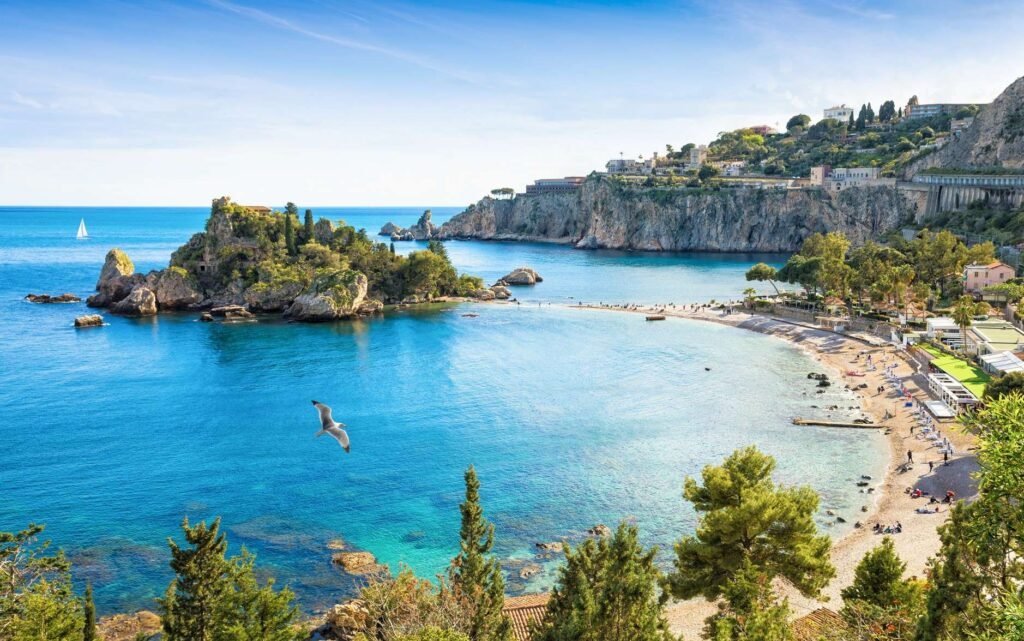
Places to visit in Italy can be grouped around ancient history, art, waterside walks or mountain scenery. These interests do not all have to fit into one short holiday. Rome, Florence, Venice, the lakes and the southern coast offer different experiences, and journeys between them take up part of the time available.
For a visitor travelling from Nigeria, the arrival and departure arrangements form another part of that schedule. The places themselves are one question; the time left to explore after transport is another. A long list of names does not show whether the day involves a relaxed walk, a museum visit or repeated transfers.
Rome: the monument and the city around it
The Colosseum and Roman Forum introduce an ancient-history theme. A visit need not be limited to a separate stop for a photograph. The layout, neighbouring structures and changing use of the area provide context for understanding the monument within the city.
A museum-based programme and a walk through different districts are not the same activity. Entry, time inside, transport and meals use separate parts of the day. Current admission arrangements depend on the date and site, so a description of the attraction does not establish a ticket, opening time or unrestricted access.
Florence: a collection or a wider urban route
Florence brings palaces, churches and art into the itinerary. A visit can concentrate on a particular collection or use a wider city format. In the second case, architecture, squares and ordinary neighbourhood life share the time rather than serving only as a route between indoor visits.
The number of cultural sites does not measure the depth of a visit. Looking closely at a museum collection takes a different amount of time from walking past its building. Two itineraries listing the same attractions can consequently leave very different opportunities to engage with them.
Venice: movement through the city is part of the experience
Canals, squares and historic buildings make the urban setting a subject in its own right. The journey between points can be interesting rather than only functional. Accommodation therefore needs to be understood in relation to the actual route to the places a visitor intends to see.
A brief visit to central landmarks and several days of walks provide different views of Venice. Neither guarantees a quiet atmosphere. The same area can feel different depending on the time of day and the number of visitors, so an image of an empty canal does not describe every visit.
Lakes and mountains involve different plans
Garda and Como offer lake landscapes and settlements beside the water. The particular shore, accommodation base and transport between stops affect the route. A view of the lake and convenient access to the next visit are different features of a place to stay.
The Dolomites centre a journey on mountain landscapes and outdoor routes. Terrain, weather, season and suitable preparation matter alongside the distances shown on a map. A short line between two points does not establish an easy walk or tell a visitor whether the route matches their experience.
| Area | Main theme | Planning question |
|---|---|---|
| Garda and Como | Lakeside places and views | Which shore is the base, and how are other stops reached? |
| The Dolomites | Mountain scenery and outdoor routes | Do the season, terrain and preparation fit the intended activity? |
| The Amalfi Coast | Coastal settlements and a cultural landscape | How much time is needed to move along the coast? |
| Rimini | Time by the sea and an urban programme | How are accommodation, the beach and other activities connected? |
| Sorrento | The town and visits to its surroundings | How many outings fit with the time needed to return? |
The coast is more than one interchangeable stop
The Amalfi Coast is described by UNESCO as a cultural landscape. The Dolomites are a natural World Heritage property. Those designations explain different aspects of their significance; they do not mean that both areas are one type of national park or share identical visitor rules.
Rimini and Sorrento provide further coastal examples. Their locations and possible programmes differ, so they are not treated as two substitutes for exactly the same holiday. Combining a city and the coast can add another theme while also requiring time to change accommodation or travel out and back.
Waterfront accommodation does not necessarily provide silence, an uncrowded beach or effortless transport. The immediate surroundings, access and daily programme change the conditions. A general description of a coastal area cannot replace information about the particular base.
Reading a list of ten places as a route
A list of the top 10 places to visit in Italy may group whole regions alongside individual cities or monuments. Rome and the Dolomites, for example, represent quite different scales of visit. The number in a list does not establish a feasible itinerary. Each additional place changes the time remaining at the earlier ones.
- Changing cities adds packing, checking out and reaching the next accommodation.
- A day trip includes the return journey, not only the outward travel.
- A mountain activity depends on terrain and conditions as well as kilometres.
- A museum stop includes the time inside, rather than only the attraction’s name.
- Connections include reaching a station, waiting and travelling from the arrival point.
One hour on a train therefore does not necessarily mean one hour between leaving one hotel and reaching another. A programme with many stops may suit a wish to see different regions, while a longer base allows more time in one place. Neither format determines how another person should use a holiday.
What needs a date rather than a general description?
Admission procedures, reservations, transport operation and access to outdoor routes are tied to a particular place and date. This overview does not quote current ticket prices or promise availability. A detailed account of a monument can explain its context without establishing the practical conditions of a future visit.
For travel from Nigeria, the budget can distinguish international transport from accommodation, local journeys and paid activities. A package and an independently arranged stay can be compared only when the inclusions are clear. The cost of a city transfer or a separate room night may matter as much as the price of a headline attraction.
There are many beautiful places in Italy to visit, but the phrase describes an interest rather than an agreed ranking. Architecture, collections, scenery and time by the water involve different priorities. Choosing a theme leaves room for different experiences without suggesting that a complete tour is required.
Other places in Italy to visit can be considered in relation to the same practical questions: what draws attention, how much time is available and how the actual journeys fit. Visiting one part of the country does not require adding all the others to make the trip meaningful.
A tourism itinerary does not establish a right to long-term residence. The separate article on immigration to Italy explains that distinction. The comparison of holiday destinations offers other examples of how cities, coastal stays and journeys can be combined.
Report an error
Identify the statement concerned and, where possible, a supporting source. Do not send passports, contracts or other documents containing personal information.
Open email or email contact-international-immigration@gmail.com.
Discussion
Comments appear after moderation.